 FourFaith IoT
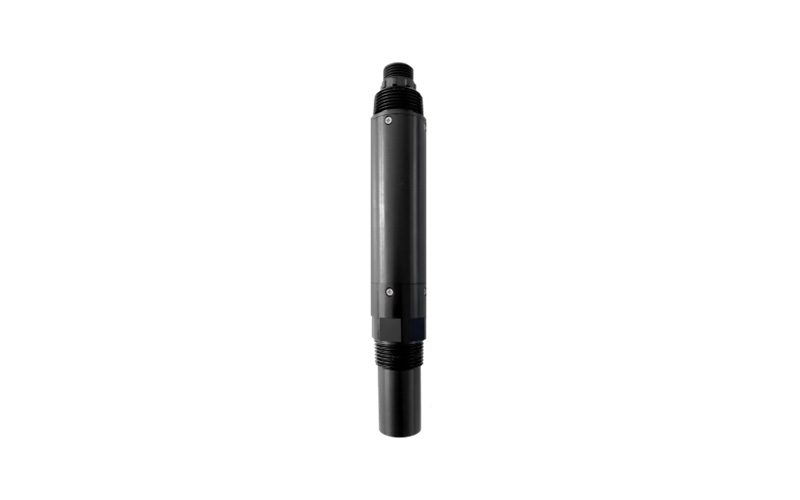
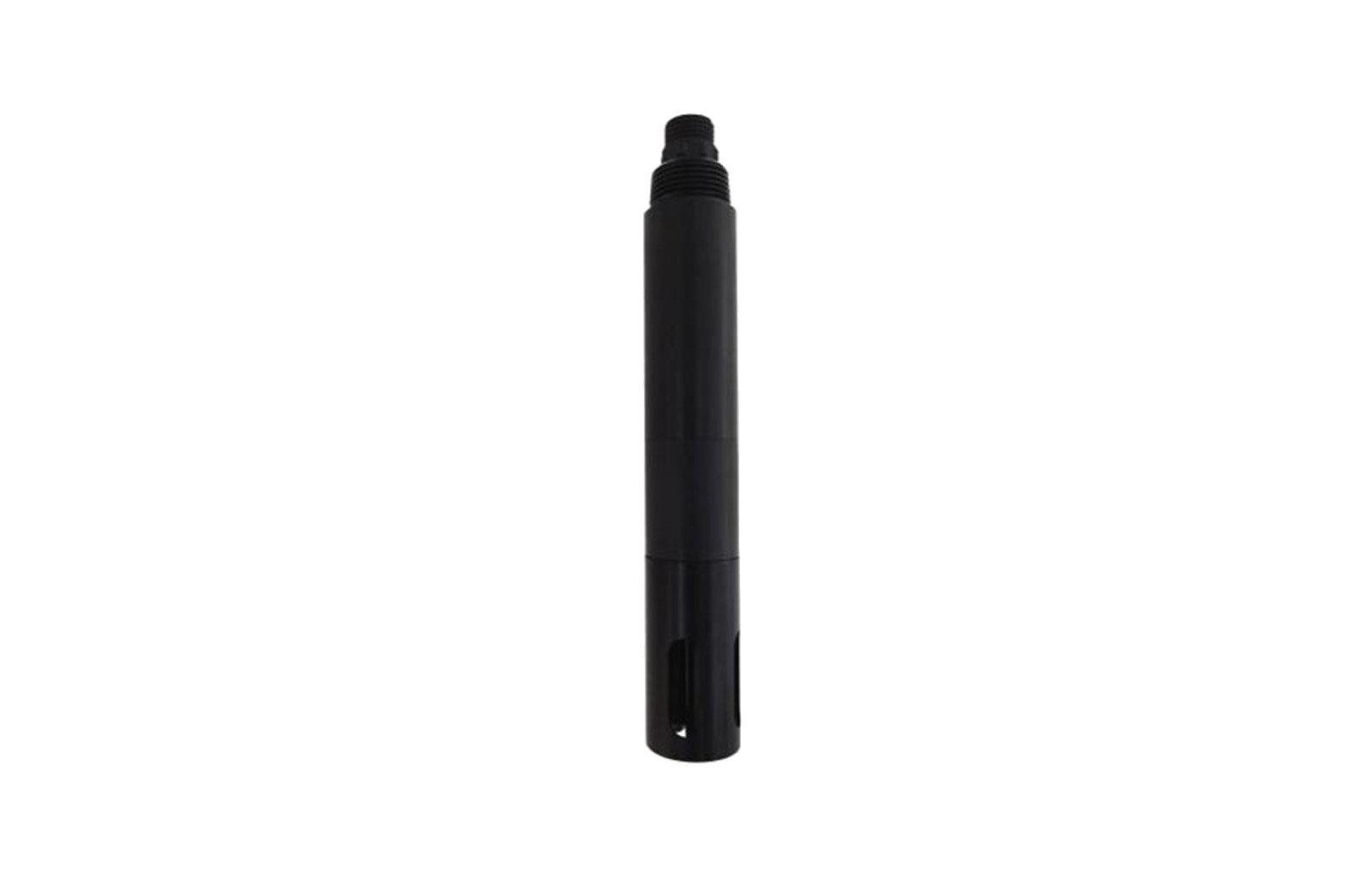
Measures TDS values in water using the electrode method; simultaneously outputs real-time water temperature; automatic temperature compensation; customisable TDS conversion factors; two-point calibration using air zero and standard solution slope; Modbus read/write of TDS and temperature measurement data; modification of device communication address and switching of communication baud rate; supports one-click restoration of factory settings for all device parameters.
Cable length can be customised to suit requirements; no other built-in expansion modules.
The F-IWQ1508 Total Dissolved Solids (TDS) analyser uses the electrode method to measure the total dissolved solids content in water. It features a built-in Pt100 temperature compensation unit, offers a choice of high and low measurement ranges, supports customisable TDS conversion factors, and provides a standard RS485 Modbus digital output;The inductive electrodes are resistant to minor scratches and require minimal routine maintenance. With a standardised two-point calibration procedure, the device is suitable for long-term online monitoring of a wide range of water types, reducing the need for frequent electrode cleaning and on-site calibration.
Inductive electrode design; minor scaling or slight scratches do not affect measurements, ensuring simple daily maintenance;Dual-range specifications cover everything from fresh water to high-salinity wastewater, suitable for monitoring water bodies with varying salinity concentrations;Corrosion-resistant POM monobloc housing with IP68 fully sealed protection; withstands pressures up to 0.6 MPa and is suitable for long-term submersion;3/4 NPT standard thread, supporting various installation methods including submerged, side-wall, piped and flow-through installations, with an installation angle of ≥15°;Standard Modbus RTU bus, enabling direct connection to PLCs, industrial PCs and remote monitoring terminals worldwide;Low-power 0.2 W design, suitable for off-grid, solar-powered water quality monitoring stations in the field;Fast response time, T90 < 10 seconds, enabling rapid detection of changes in water salinity;Supports customisable TDS conversion factors to match the conversion standards for different water types, including fresh water, seawater and industrial effluent.
| Measurement parameters | Water TDS, water temperature | TDS dual ranges | 0–3,000 mg/L / 0–20,000 mg/L |
|---|---|---|---|
| TDS resolution | 1 mg/L; detection limit: 1 mg/L (low range), 10 mg/L (high range) | Measurement accuracy | ±1.5% of reading; temperature measurement accuracy: ±0.3 °C |
| Temperature range | 0–60 °C, resolution 0.1 °C | Response time (T90) | <10 s |
| Calibration method | air zero point + two-point calibration with standard solutions | Interface type | 4-core shielded twisted-pair M16 waterproof aviation connector |
| Communication | RS485 Modbus RTU, default 9600 8N1, baud rate adjustable | Power supply and power consumption | DC 12–24 V, total power consumption 0.2 W @ 12 V |
| Protection rating | IP68, maximum operating pressure 0.6 MPa | Operating environment | Water temperature 0–60 °C; storage -5–65 °C |
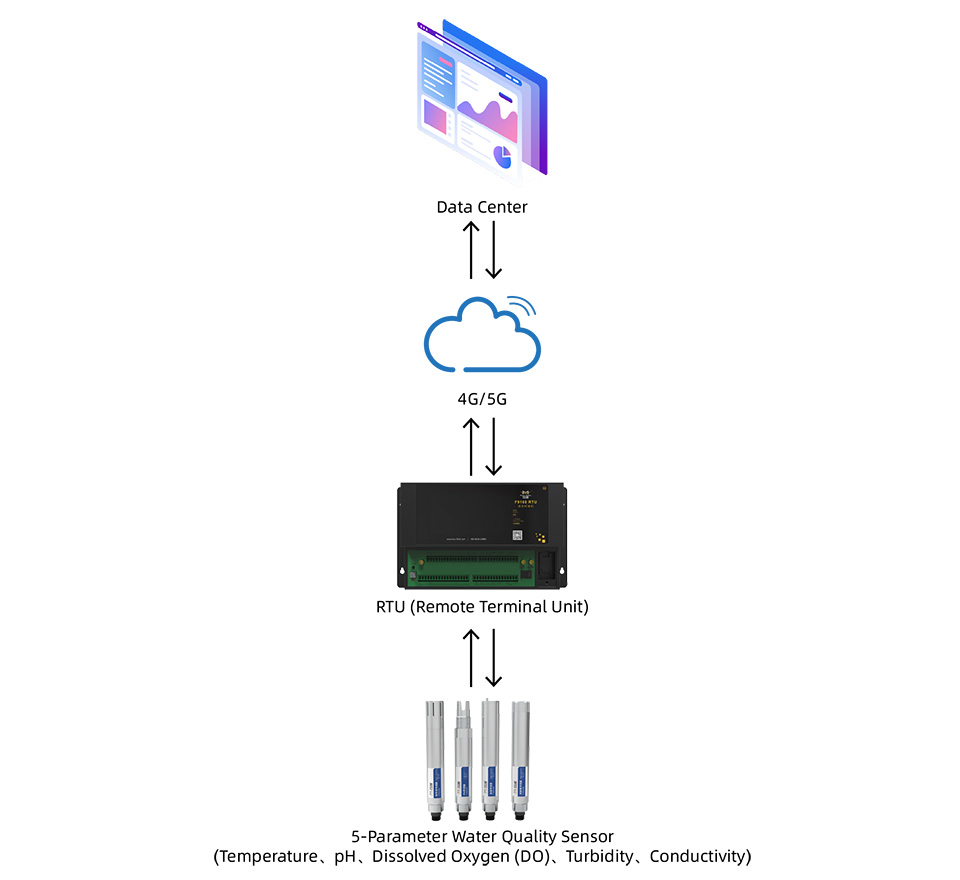
Online salinity monitoring for drinking water networks, aquaculture, surface water, wastewater treatment and industrial recirculating water
A Zero calibration: Rinse with distilled water, wipe dry, and allow to stabilise in air for 3 minutes before proceeding; Slope calibration: Place the probe in a standard solution ranging from 20% to full scale, ensuring the probe is at least 2 cm away from the bottom and walls of the container; complete the calibration once the reading has stabilised.
A Modify the TDS conversion factor via Modbus registers (factory default: 0.64) to customise parameters according to the salinity characteristics of freshwater, seawater or wastewater.
A Simply rinse with distilled water using a soft-bristled brush; for inductive electrodes, gently wipe away any scale deposits, taking care to avoid piercing the casing with hard objects. Minor scratches do not affect measurement accuracy.
Send your project parameters, our engineers reply within 24 hours.
Get Free Quote